
Born by curiosity. Driven by growth. Made by our future engineers.

curiosity

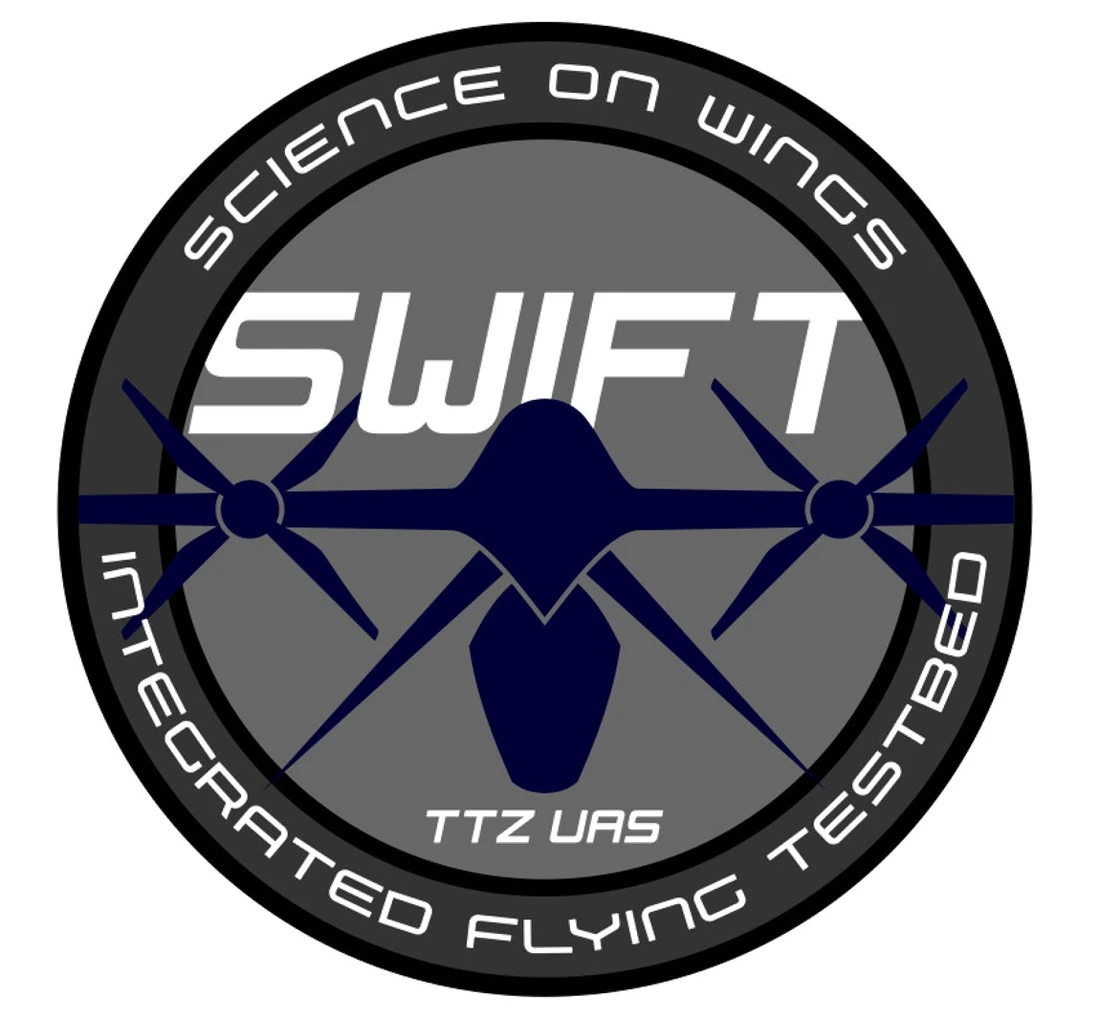
The development of this aircraft is driven by a key research need: it is designed to cover a wide range of flight conditions, from stable high-speed flight to dynamic maneuvers and hybrid lift during the transition phase. Thanks to its VTOL configuration, it takes off and lands vertically but can also fly horizontally—ideal for complex environments.

With its modular design, it is conceived as a research platform intended to support current UAV topics such as autonomous navigation, cooperative missions, energy efficiency, and resilient flight behavior. Planned applications include sensor fusion, communication relays, decentralized sensor networks, and the deployment of smaller UAVs.

It is more than just an aircraft: it is a platform for the future of UAV research.

growth

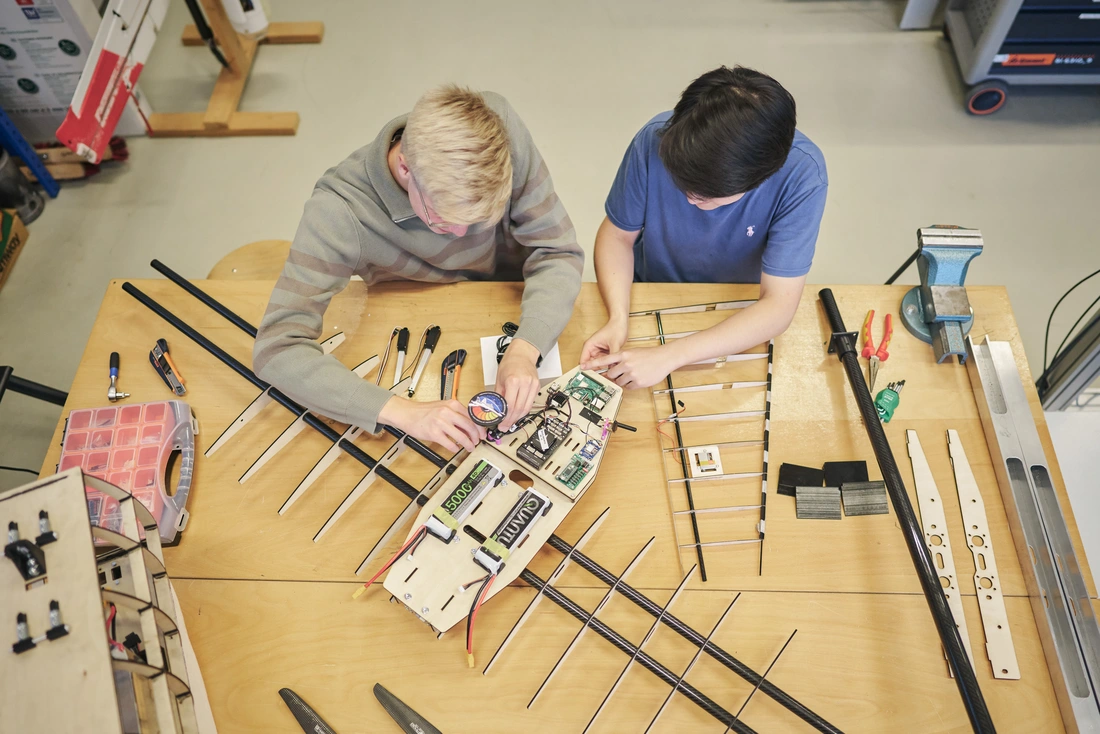
Designing an aircraft from scratch and getting it to fly—that’s the dream of every aspiring aerospace engineer. While there is no shortage of instruction in theoretical fundamentals, students often lack the opportunity to apply this knowledge in practice. In our project, our students have the opportunity to independently build a complete, complex aircraft—from the initial idea through concept development, aerodynamic and structural design, electrical system integration, and material selection, all the way to manufacturing, assembly, and the first flight.

This is not just about technology—it’s about understanding through action. Because it is only when you design, build, test, and learn from the results yourself that knowledge is truly internalized.


“Tell me, and I’ll forget. Show me, and I’ll remember. Let me do it, and I’ll keep it.”

our future

In the SWIFT project, our students not only have the opportunity to build an aircraft—they are given the freedom to design it in their own way. No ready-made solutions, no rigid guidelines. Instead: room for creativity, unexpected ideas, and the courage to try something new. Mistakes are not failures; they are part of the process. Every failure is a learning opportunity; every experiment is a step forward. The iterative development philosophy closes the learning loop and strengthens confidence in one’s own abilities—both in technical and holistic approaches.

Because this is not just where machines are built—this is where future-ready engineers are trained: independent, creative, resilient, and ready for the challenges of tomorrow’s industry.

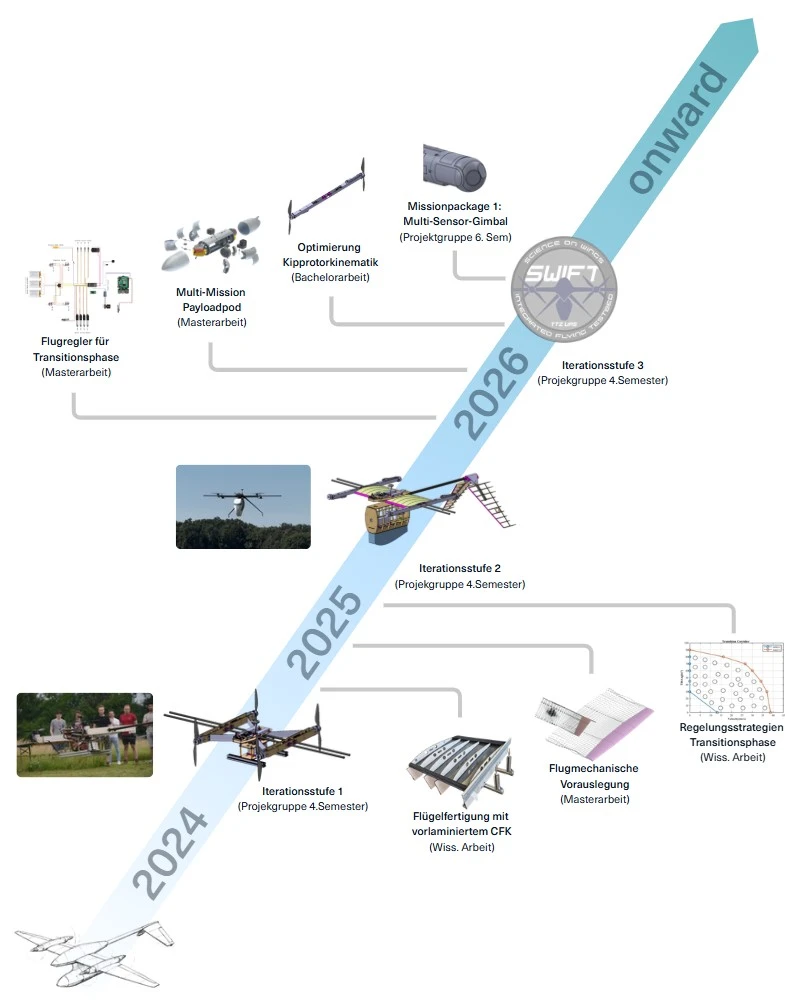
From Idea to Flight: What Was. What Is. What’s Next.

We want you!

students

Are you a student looking to gain hands-on experience, bring your own ideas to life, or write your thesis on a cutting-edge topic?

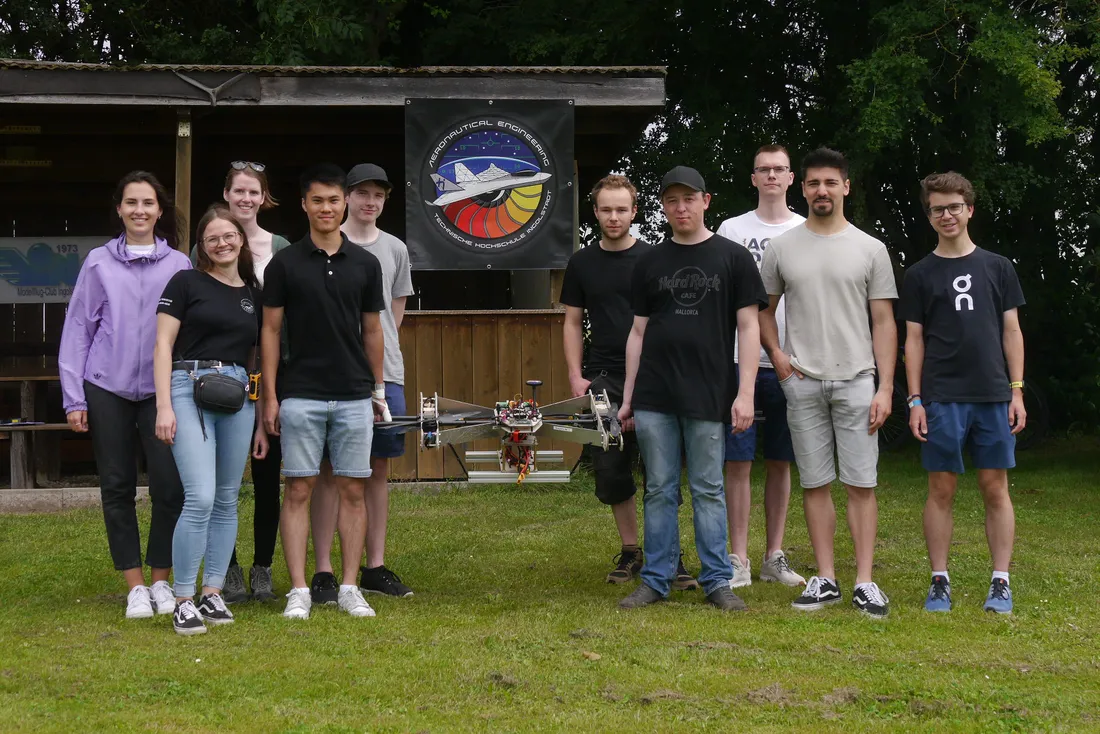
Then you’ve come to the right place. As part of a student team, you’ll work on our VTOL test platform, and your bachelor’s thesis, master’s thesis, or student project can focus on topics such as the optimization of propulsion systems, the integration of sensors and communication relays, the development of flight control algorithms, or the conduct of flight tests. Every year, the project evolves through new challenges—from concept to flight execution. Here, engineering knowledge isn’t taught theoretically, but is acquired through hands-on work with cutting-edge UAV technologies.

mentors

SWIFT thrives where teaching, research, and industry converge.

Are you already teaching or interested in doing so (e.g., through a teaching assignment or lecture) and want to share your expertise from the aviation industry, mentor student teams, and help shape the next generation of engineers?

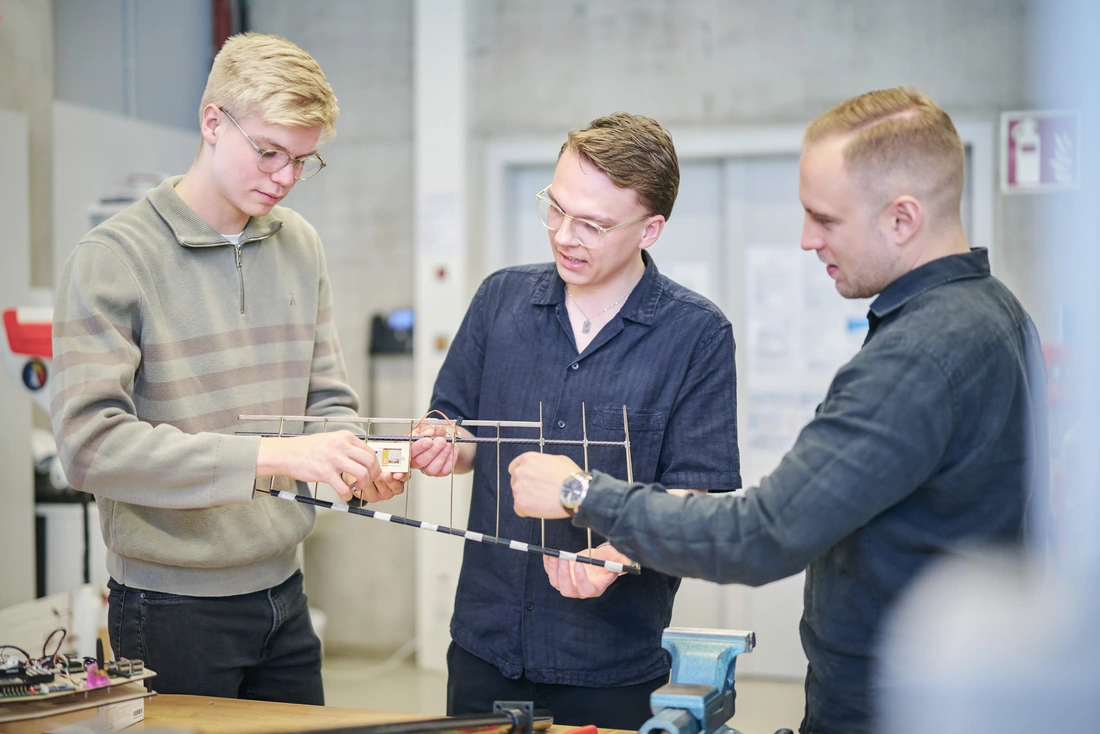
As a lecturer and mentor, you’ll support interdisciplinary student teams in developing our VTOL test vehicle by guiding technical decision-making processes, sharing project management strategies, and contributing real-world experience. You’ll guide the teams through the entire development phase—from concept to first flight—and help them solve complex challenges. Here, knowledge is not only imparted but also reinforced through hands-on support and technical expertise.

sponsors

Shaping the future and breaking new ground is a major undertaking—and requires resources and support in a wide variety of forms.

The details are what make up the big picture. A new material, a more precise manufacturing process, or access to specialized tools and machinery expand the scope for technical solutions in our prototypes, which in turn can open up new application possibilities and impressively demonstrate them through practical use in unmanned aviation.

With your support, this innovation will not only be realized but also visibly demonstrated in practice—and your involvement will become part of the solution.